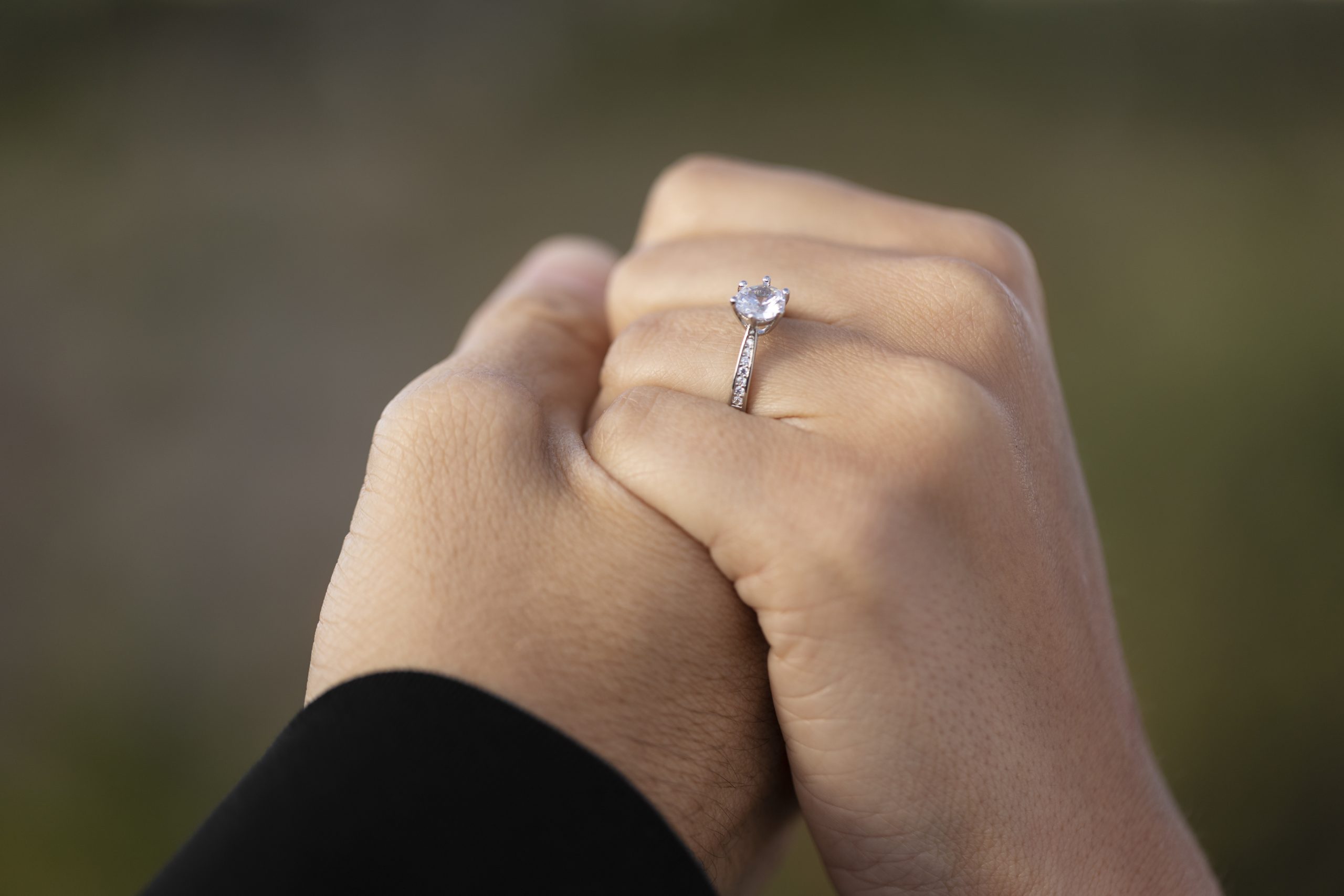


Here’s a wild thought: diamonds—these tiny sparkly things—can trigger big emotions. Excitement. Stress. Commitment panic. You name it.
And right in the middle of all that sits the growing discussion around lab diamonds. Are they the future? Are they “real”? Should you actually care?
To be fair… it kind of depends on who you ask.
Section 1: A Little Backstory (And Some Real Talk)
Think about it: when was the last time a piece of jewelry came packaged with a dramatic origin story?
Natural diamonds? Oh, they’ve got plenty.
Formed billions of years ago. Pressed under the earth with intense pressure. Mined from remote locations. Transported, cut, polished, and hyped.
There’s something romantic about it. Ancient. Mysterious. A little intense, even.
But then comes the modern twist: lab-grown diamonds.
Instead of waiting for nature to do its thing for a few eras, scientists recreate the same conditions in a clean, high-tech environment. No caves. No mining trucks. No geological timeframes. Just a few weeks and boom—a diamond identical in composition, sparkle, and structure.
And yes, identical.
If we’re being honest, most people couldn’t pick out the difference even if you handed them a magnifying glass and a flashlight.
Still, the story feels different, right? Natural diamonds have a “born from the earth” fairy tale. Lab-grown diamonds? More of a “crafted by science” vibe.
Neither is wrong. They just speak to different personalities.
Kind of like people who love vintage cars versus people who love Tesla.
Section 2: Options, Trends & How People Actually Decide
Now, here’s where it gets interesting.
Trends have shifted—fast. And whether we like it or not, the biggest force behind this shift is… well, reality. Prices, ethics, aesthetics, and even social expectations.
Here’s what people usually consider:
1. Price (Let’s be honest… budgets matter)
Lab-grown diamonds usually cost 40–70% less than natural ones.
That means you can go bigger, go brighter, or just keep your wallet happy.
For example:
A natural 1-carat diamond might cost as much as a small motorcycle.
A lab diamond of the same size and quality? More like a nice weekend getaway.
2. Ethics & Sustainability
This is where many people feel strongly.
Natural diamonds can come from ethically run mines—but the industry has a complicated history.
Lab-grown diamonds? They skip mining entirely, which appeals to people who want fewer environmental or social complications.
3. Customization Freedom
Some couples love playing designer. With lab diamonds, you can easily experiment—bigger stones, fancy cuts, bold designs—without the financial or sourcing pressure.
4. Trends Among Younger Buyers
Gen Z and younger millennials have been unapologetically practical.
They’re like:
“Why am I paying more for the same carbon crystal just because it came from the ground?”
They’ve kind of shifted the narrative from tradition → intention.
5. Emotional Attachment
Some people just feel differently. Natural diamonds feel timeless.
Lab-grown diamonds feel modern.
Neither is wrong. But it’s a vibe thing.
And vibes matter.
Section 3: The Local Angle – Why This Debate Matters Here
Depending on where you are, the popularity of lab grown vs natural diamonds changes a lot. In some big cities, lab diamonds are basically the new normal. In others, tradition still stands tall.
But here’s the fun part: many local jewelers—especially the smaller, more boutique ones—actually love working with lab diamonds. Why? Because:
- They can offer bigger, more eye-catching stones at friendlier prices.
- Clients feel more involved when they can design without fear of overspending.
- There’s less pressure and more creative freedom.
- Lab diamonds are consistent in quality, which makes custom designs smoother.
Meanwhile, shops that focus on natural diamonds often emphasize heritage, exclusivity, and craftsmanship. If you love stories and tradition, those places shine (literally and emotionally).
It’s like choosing between artisanal bread from a family bakery and sleek pastries from a modern café. Both hit the spot—but in different ways.
Section 4: How the Process Works (Minus the Boring Bits)
Let’s say you’re trying to decide between the two, or you want to create your own ring or jewelry piece. Here’s how it usually plays out—no jargon, no headache.
Step 1: The Conversation
You walk into a shop or start chatting online.
You talk about budget, style, shape, color, cut, size—basically your jewelry wish list.
Maybe you pull up a Pinterest board.
Maybe you wildly gesture with your hands.
It’s fine. It all works.
Step 2: Choosing the Diamond Type
This is where the lab diamonds vs natural debate naturally comes up.
A good jeweler won’t pressure you. They’ll show you:
- Price differences
- Sparkle comparisons
- Certificates
- Pros and cons for your lifestyle
And they’ll keep it simple.
Step 3: The Design Phase
This part is actually fun.
Sketches, 3D models, little tweaks—it’s like designing your own character in a video game, but shinier.
Want a hidden halo?
A knife-edge band?
Something vintage-inspired but with a modern twist?
Totally doable.
Step 4: Crafting the Piece
Your chosen diamond—lab-grown or natural—gets carefully set into the design.
There’s polishing, checking symmetry, securing prongs… all that behind-the-scenes magic.
Step 5: The Reveal
This is the dramatic moment.
The box opens.
The sparkle hits your face.
And honestly? At that point, nobody is thinking about the diamond’s geological childhood. They’re thinking: “Wow.”
Conclusion
At the end of the day, the whole lab grown vs natural diamonds conversation is really about figuring out what matters most to you. Your story. Your style. Your budget. Your values.
Both diamond types shine. Both tell a story.
But only you can decide which story you want to wear.
And to be fair… whichever one you choose, it’s going to look gorgeous.
If you want, I can also help you draft a comparison table, pick a diamond, or even outline a version of this article tailored to a specific city or brand—just let me know!